News & Updates
Inclusive Ethiopia Launches Inclusive Education for All with Christian Aid and EU Support
Inclusive Ethiopia partners with Christian Aid, with EU funding, to advance disability rights, teacher training and accessible, inclusive school environments.
Every learner deserves a place in a school where they can participate, feel valued and have the opportunity to learn. For students with disabilities, making that right a reality means paying attention to the barriers they face in classrooms and across the wider school community.
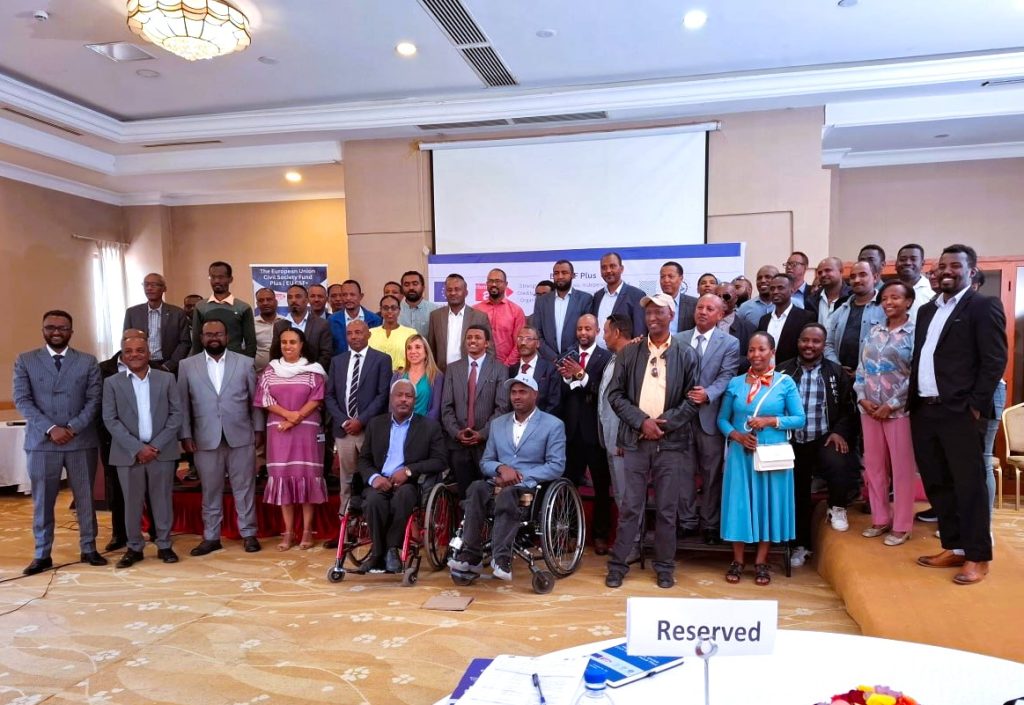
Inclusive Ethiopia is pleased to announce that we have signed a partnership agreement with Christian Aid, with funding from the European Union, to implement the Inclusive Education for All Project. The initiative will promote the educational rights of students with disabilities and contribute to a more inclusive education system.
At the heart of this work is a shared ambition. Disability should never stand in the way of a learner’s opportunity to receive a quality education.
What the Inclusive Education for All Project will focus on
The project brings together four closely connected priorities. Each addresses a different part of what makes a school welcoming and accessible, from the support available to teachers to the attitudes that shape a student’s everyday experience.
- Strengthening the capacity of teachers and school communities through training
- Creating accessible and disability-inclusive school environments
- Raising awareness and advocating for the educational rights of students with disabilities
- Promoting inclusive practices so that no learner is left behind
These priorities belong together. An accessible school environment matters, and so does what happens within it. Inclusive education also depends on how students are welcomed, how learning is supported and whether their rights are understood and respected.
Supporting teachers and school communities
Teachers play an important role in a learner’s school experience. The project’s focus on training recognises the need to support them, alongside the wider school community, in making education more inclusive.
Building capacity is about helping people feel better prepared to respond to learners with different needs. It also creates space for school communities to think about the barriers students with disabilities may encounter and the part each person can play in addressing them.
This is a shared responsibility. Progress towards inclusive education needs the involvement of people across the school community, with respect for the rights and participation of students with disabilities guiding that work.
Making school environments more accessible
The project will also focus on creating accessible and disability-inclusive school environments. A student’s opportunity to learn is closely connected to their ability to participate in school life.
Accessibility is part of belonging. The goal is a learning environment in which students with disabilities are recognised as members of the school community and can take part with dignity. This gives the project’s work on school environments a clear purpose, supporting participation alongside access.
Putting educational rights at the centre
Raising awareness and advocating for educational rights will be another key part of the initiative. Inclusive education asks school communities to recognise the rights of students with disabilities and to consider how everyday attitudes and practices affect their learning.
Awareness can help begin those conversations. Advocacy keeps attention on the changes needed to make inclusion meaningful. Together, they support the project’s wider aim of contributing to an education system that takes the rights of every learner seriously.
Working together so that no learner is left behind
We look forward to working closely with Christian Aid, schools, communities and partners as the Inclusive Education for All Project moves forward with European Union funding.
For Inclusive Ethiopia, this partnership is an opportunity to turn a shared commitment into practical work. By bringing teacher training, accessible school environments, rights awareness and inclusive practices into the same initiative, we aim to help build the conditions in which students with disabilities can participate and learn.
Our focus is clear. Inclusive and equitable quality education should be an opportunity shared by all learners.